
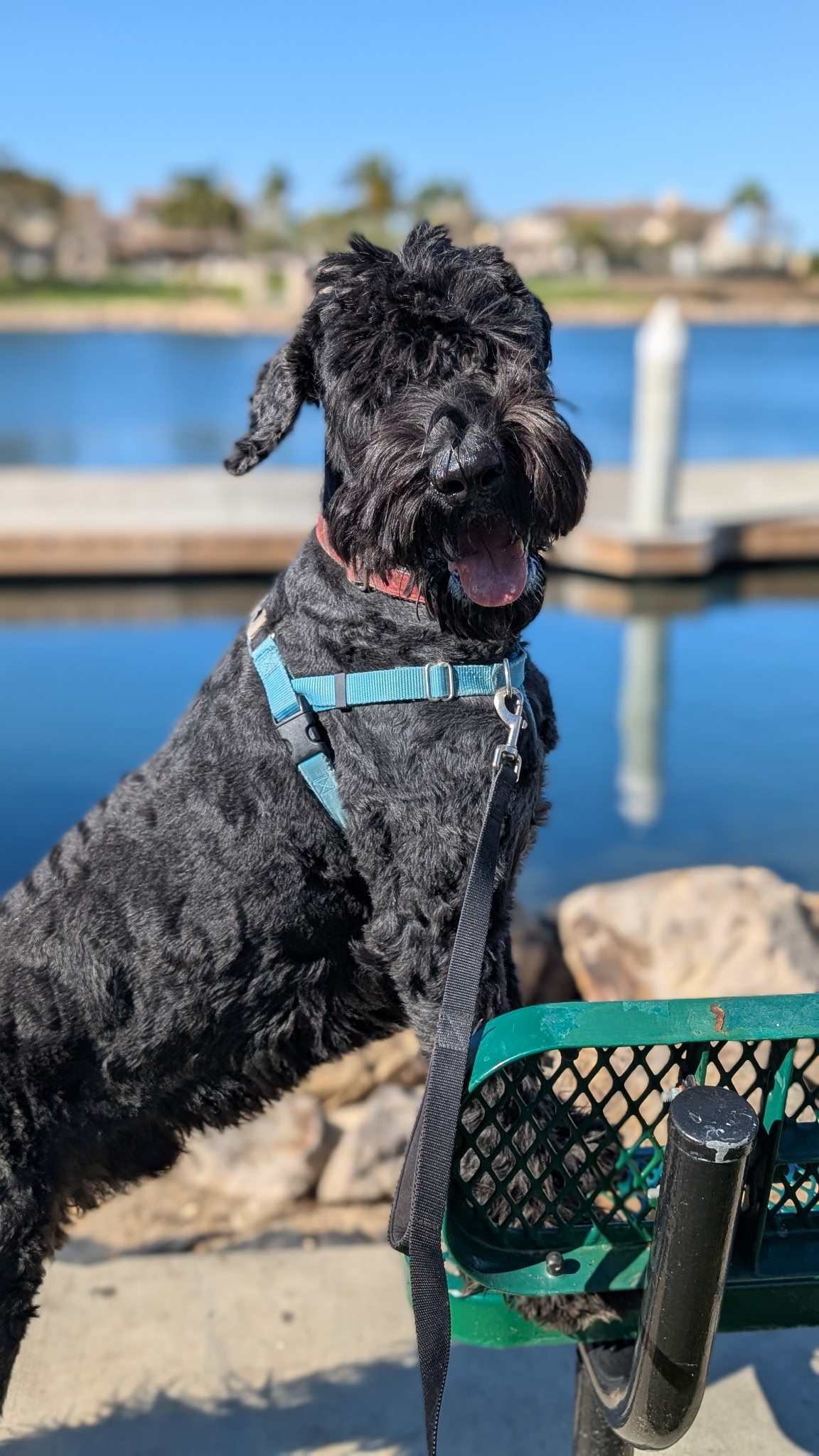
Outdoor Family Members
I’m so shocked by the number of dogs who spend the majority or even all of their time outdoors. I have learned to ask clients how much time the dogs who “live with them” spend in the yard. We are in Southern California, so the weather is fairly cooperative, but if I am called to the house to address behavior issues, often the behaviors are directly connected to the dog being outside too much.
Some dogs are outside all day while their humans are at work. Some are outside even to sleep. I suppose yards can be safely fenced and even digging under can be prevented. And maybe humans are 100 percent careful about having nontoxic plants in the yard. But there are still dangers. Even larger dogs can be badly injured by a hawk or coyote or snake, and of course smaller dogs (and cats!) can be carried away or killed. (Let’s discuss later how your cats should be indoor only!!!) Dogs can eat rocks and sticks and who knows what—and hours could pass before their humans even realize. Ticks, fleas, parasites from animals who pass through . . . Theft . . . Humans are taking too many chances!
Do humans think the dog is protecting their home by being in the yard? Perhaps the humans are actually making break-ins easier if the dog is not in the house. The dog is protecting the yard, not the house at all. Is the inside of the home too precious for some hair and dirt? The outdoor dog certainly brings in even more dirt if he’s allowed in the house sometimes. Noise? The outdoor dog certainly has more motivation to bark in the yard. Dog mischief or worse inside? If he’s never given the chance to acclimate to being inside, everything is still novel. Baby gates or a crate will help—and training….
Outdoor dogs are bored. They are getting almost no mental stimulation. They are lonely. Dogs are pack animals. The primary reason for them to be inside? Outdoor dogs usually don’t feel as bonded to their humans! Is that what anyone wants? When humans have been in the yard with the dog and want to go back inside, I have seen many humans forcibly block the dog from following them—from doing a dog’s job: to stay with the humans.
I have done consults for dogs who have become aggressive because they know only the humans in the house. I have met dogs who out of boredom constantly run the line of their fence until there is a ditch—an anxious, compulsive behavior. The anxiety level can be so high outside: always on alert, always watchful. It is impossible to have a calm, well-behaved dog if he is never with his humans.
Outdoor dogs can indeed be converted to inside family members. If we get them used to the home correctly, dogs can be trusted inside, even when their humans aren’t home. Dogs have such a short lifespan. Is this the life we want for them, hardly seeing their people, risking escape and dangers outdoors?
Indeed, my own dogs don’t ever want to stay in the yard without me. I’m fun and they don’t want to miss out. Don’t you want to be fun, too?